Chronic stress acts through neuroendocrine pathways on immunity and organs, and feline idiopathic cystitis and herpesvirus recrudescence are both recognized as stress-linked.
Common stressors include sudden environment changes, renovation noise, new members, dirty boxes, and resource competition, most manageable in advance.
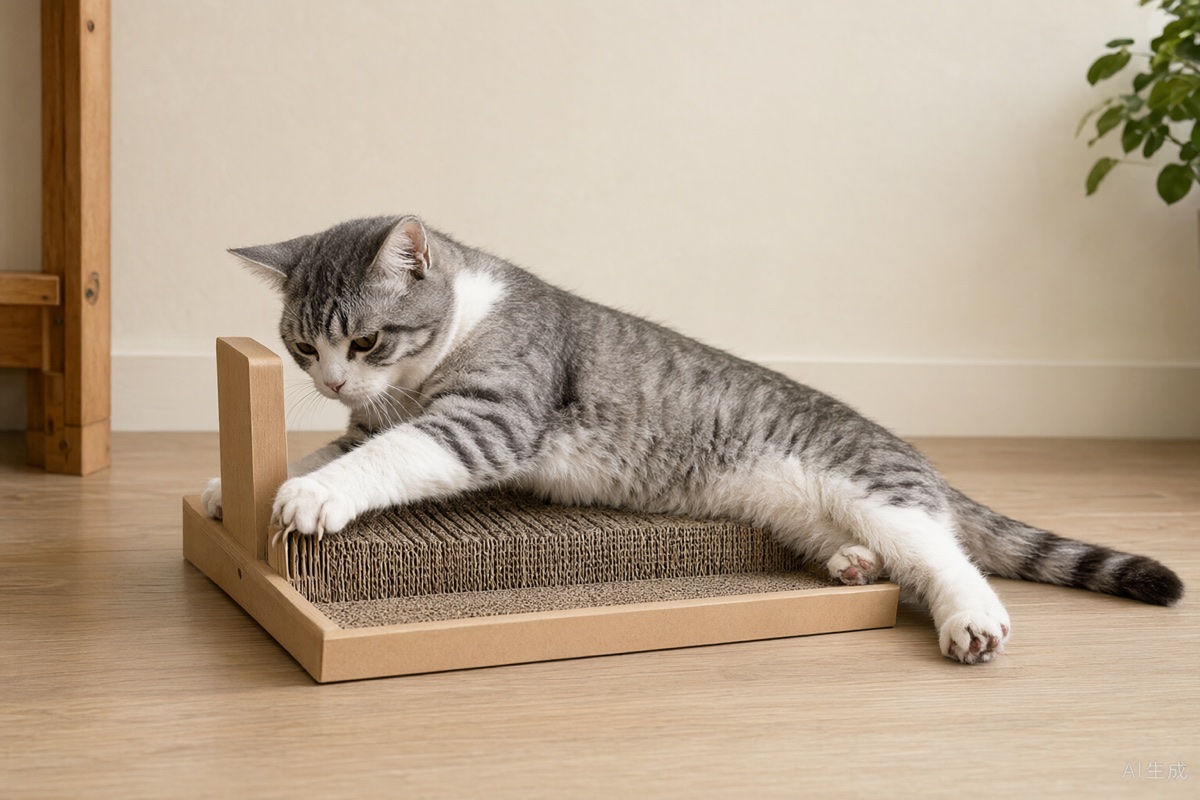
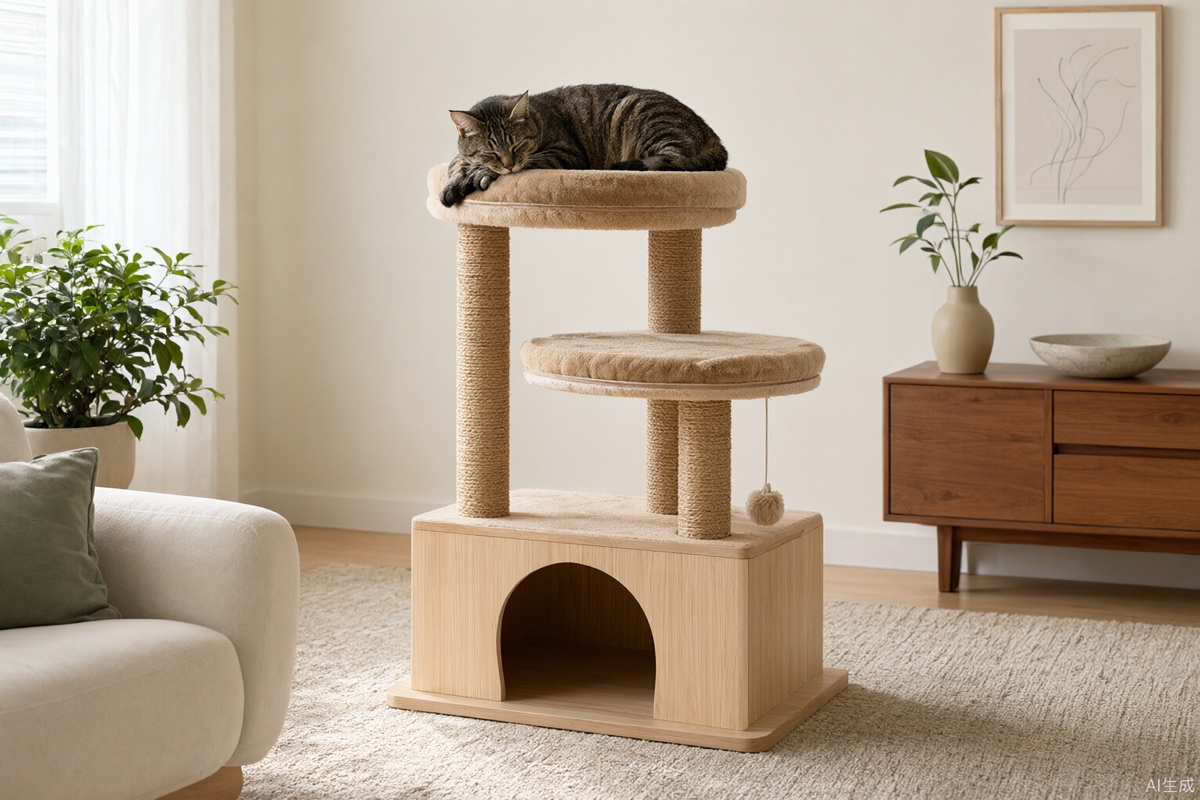
The prevention frame is stability plus predictability: fixed routines, ample hideouts and heights, spread-out resources, and gradual transitions during change.
When stress signs like inappropriate urination, overgrooming, or appetite loss appear, rule out physical disease with a vet first, then adjust the environment; that order matters.