Cats evolved from ancestors in arid regions, so their thirst drive is weaker than a dog's, and many domestic cats sit quietly at the edge of mild dehydration. To judge whether intake is sufficient, do not just watch how far the water bowl drops; count the water in the food as well.
A practical rough estimate: on a dry-food diet, total daily water intake can be benchmarked at about 40–60 ml per kilogram of body weight. Cats on wet food or complete wet diets take a substantial share of their water from food, so bowl-watching alone badly underestimates real intake.
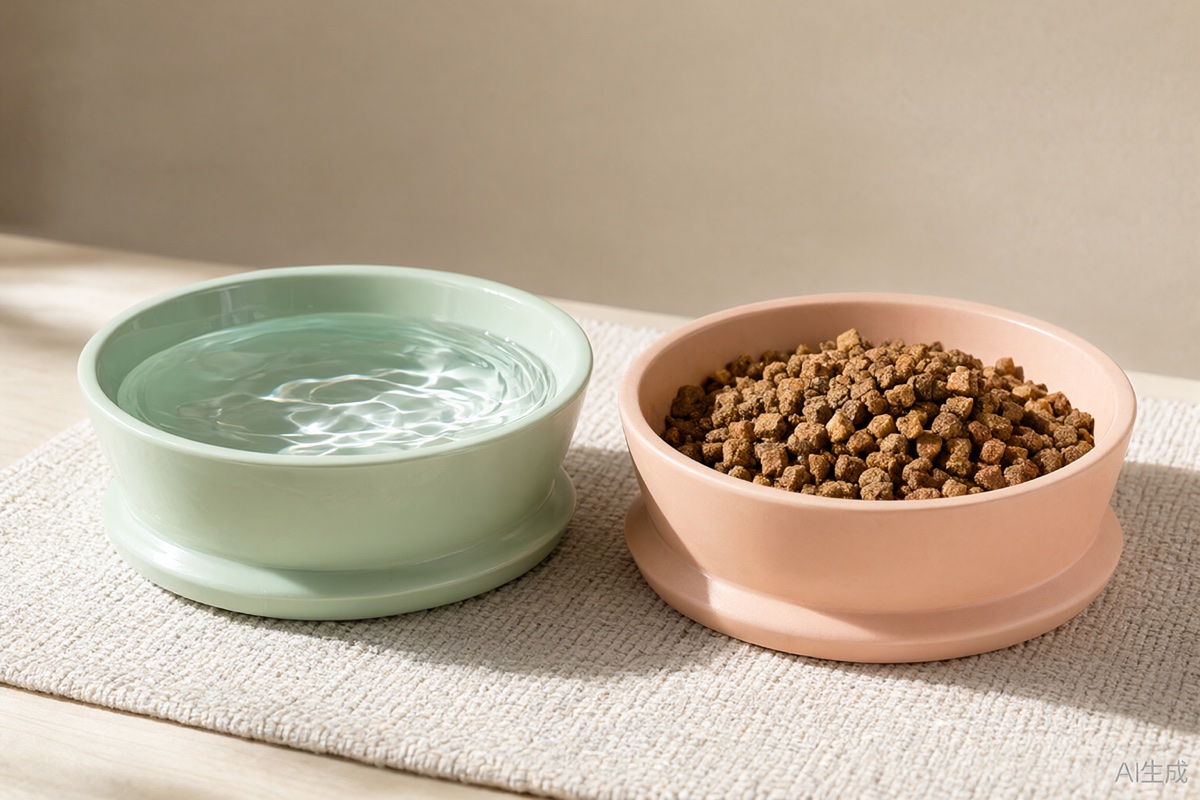
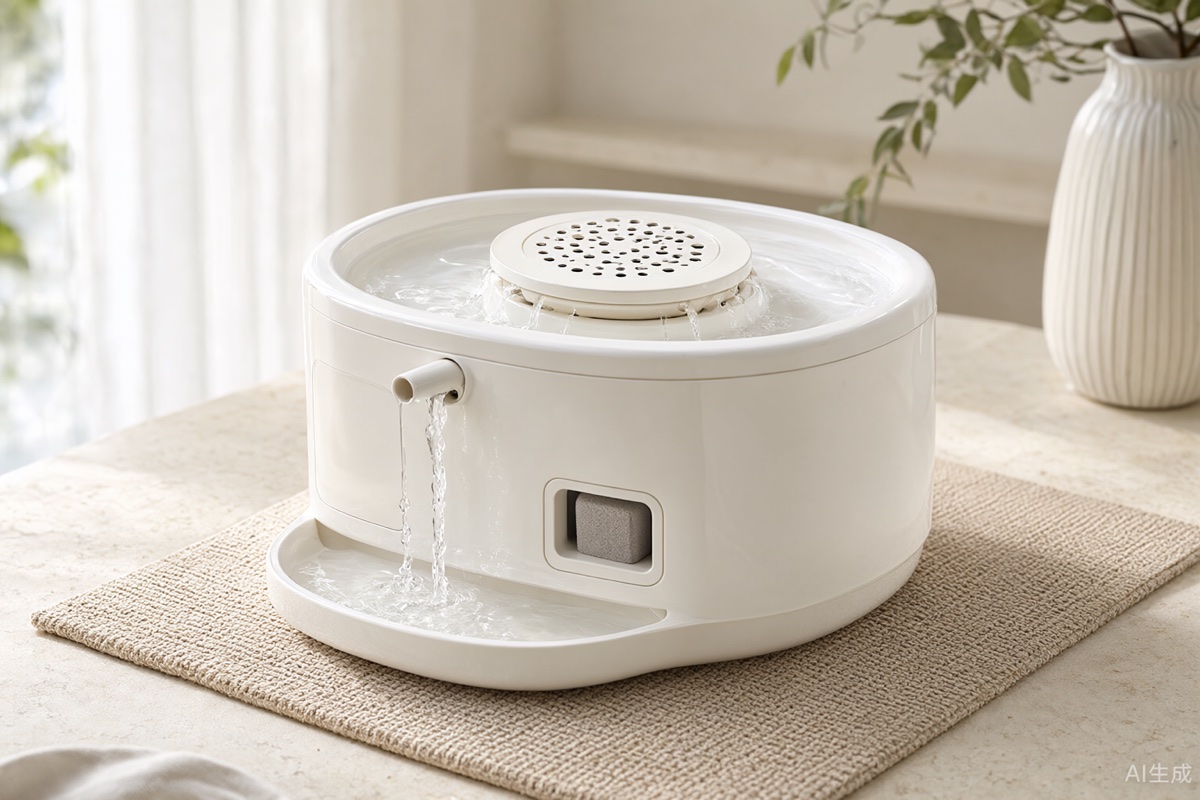
Improve things starting with the cheapest changes: switch to a wide, shallow bowl, place several water stations where the cat already spends time, refresh the water daily, and keep bowls away from the litter box and food bowl. If intake is still low, replace part of the dry food with wet food, rehydrate freeze-dried food, or try running water. A fountain is not a cure-all; noise-sensitive cats may avoid one.
Signs that warrant a vet visit are not the same as simply not drinking much: a sudden increase in drinking, a bowl emptying much faster, together with weight loss, larger urine clumps, or a change in appetite, can point to chronic kidney disease, diabetes, or hyperthyroidism. Get blood and urine tests promptly instead of writing it off as a habit.
配图:猫在葡萄牙 Monsanto 的石制水槽饮水,CC BY-SA 4.0,作者 Jules Verne Times Two,来源 Wikimedia Commons:https://commons.wikimedia.org/wiki/File:Cat_drinking_water_from_a_fountain_reservoir,_Aldeia_de_Monsanto,_Portugal_julesvernex2.jpg