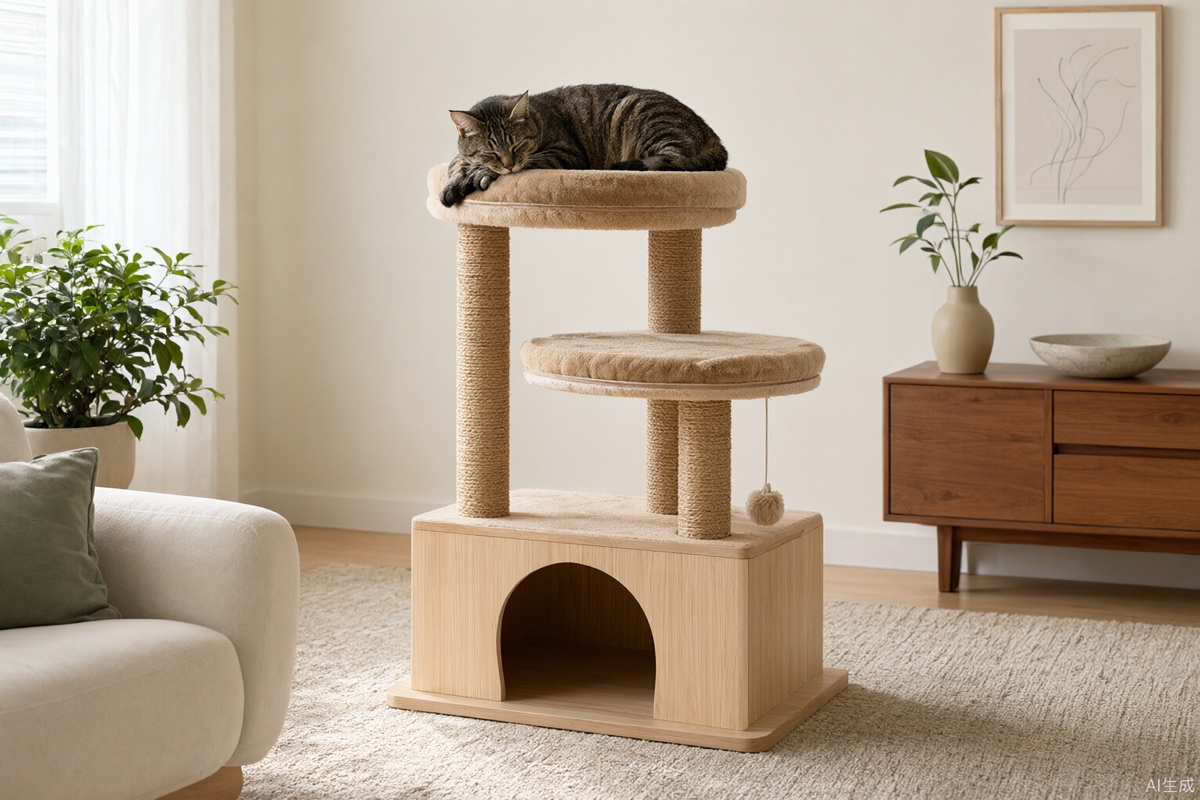
The method is simple: while the cat is asleep or fully relaxed, count chest rises, one rise and fall equals one breath, for a full minute or thirty seconds doubled.
Most healthy cats stay under about thirty breaths per minute asleep; sustained counts above forty or obvious effort are abnormal and warrant a vet visit.
Cats with diagnosed heart disease are often asked to keep a breath-rate log, where a rising trend warns earlier than any single reading.
Open-mouth breathing, forceful abdominal effort, or bluish gums are emergencies: go to a vet immediately instead of watching and waiting.