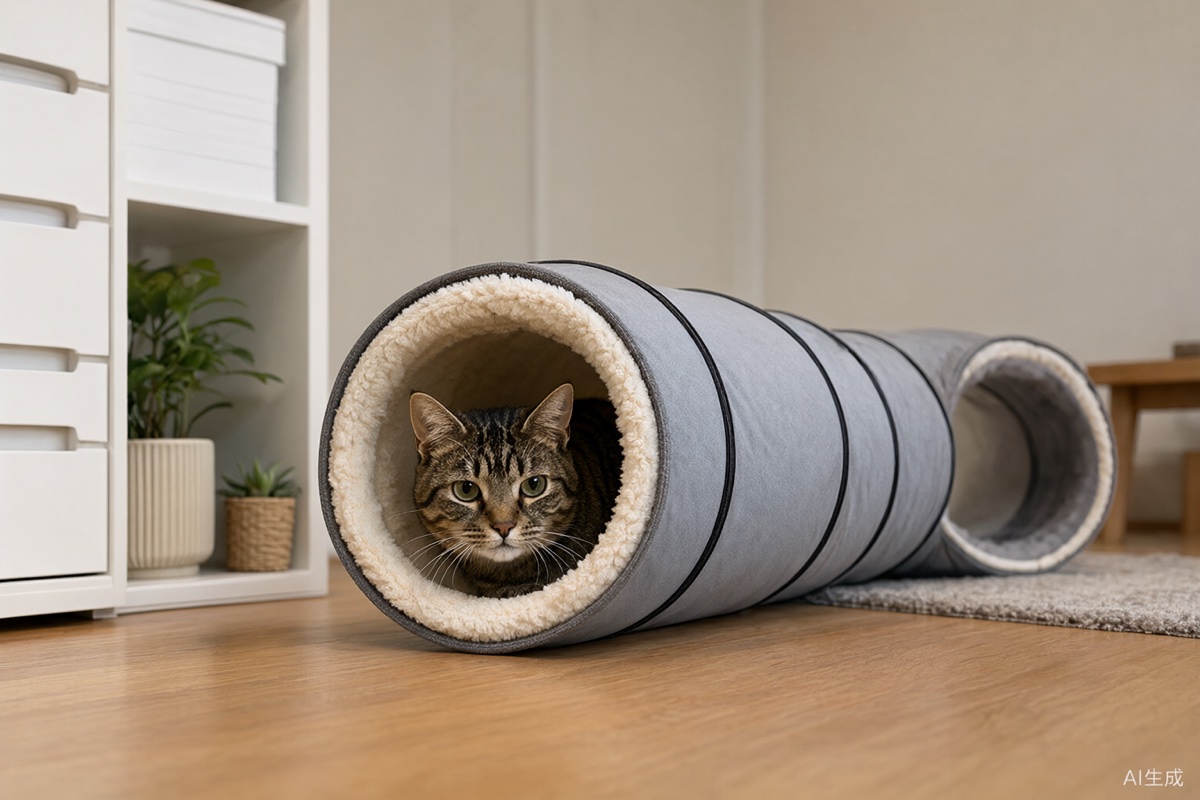
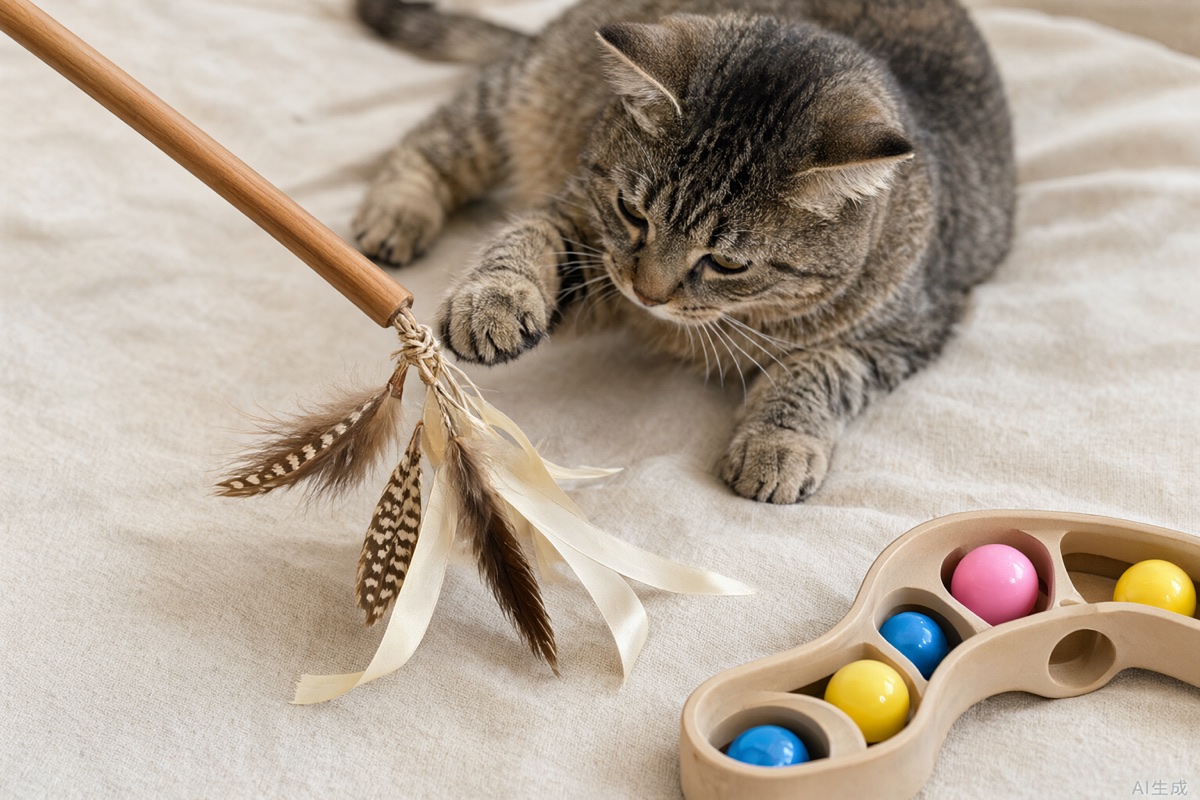
Kittens meow to solicit their mother, but adult cats communicate mainly by scent and posture, and meowing at humans is viewed as a retained and reinforced domestic trait.
Rough categories help: a short single meow is often a greeting, long repeated meows express demands, and low yowls lean toward complaint or threat.
Cats learn which sounds get human responses, so each cat's meow dictionary differs slightly, and owners decoding with context are the most accurate.
Sudden pattern changes deserve attention: more night yowling in seniors needs checks for hyperthyroidism, hypertension, and cognitive decline, while intact cats yowl in heat.