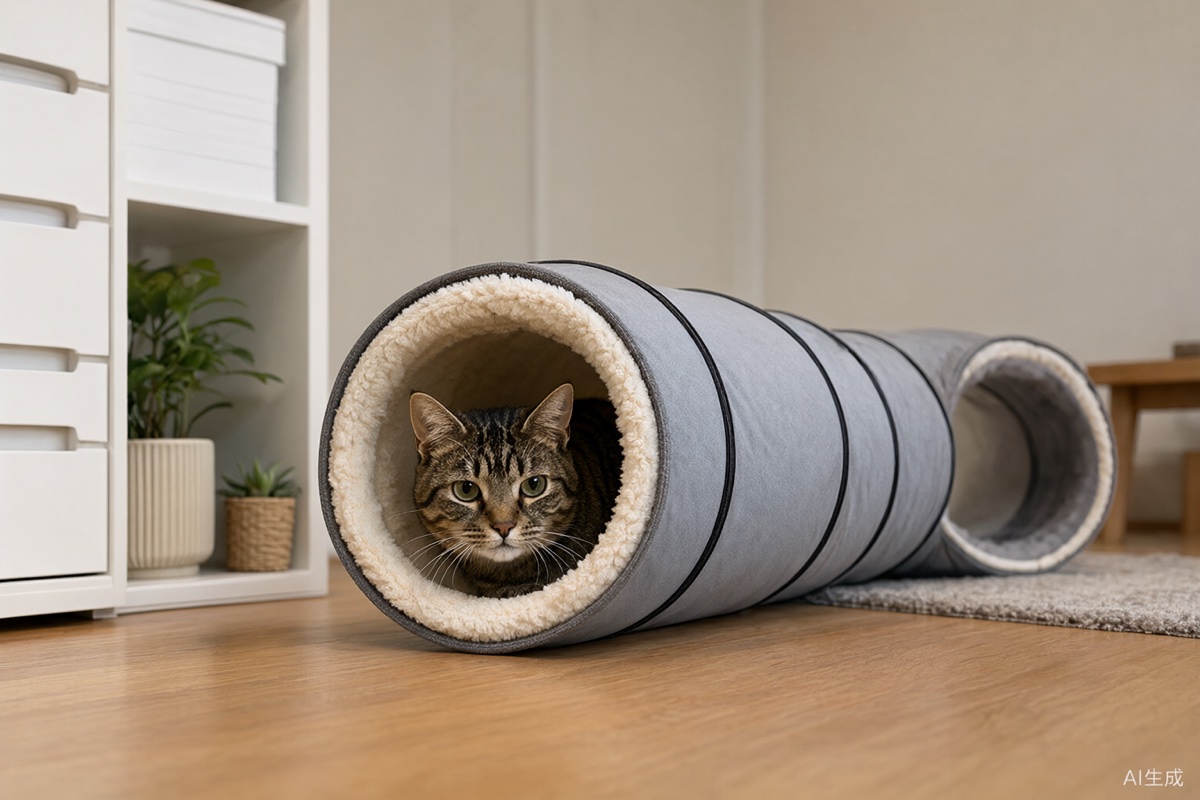
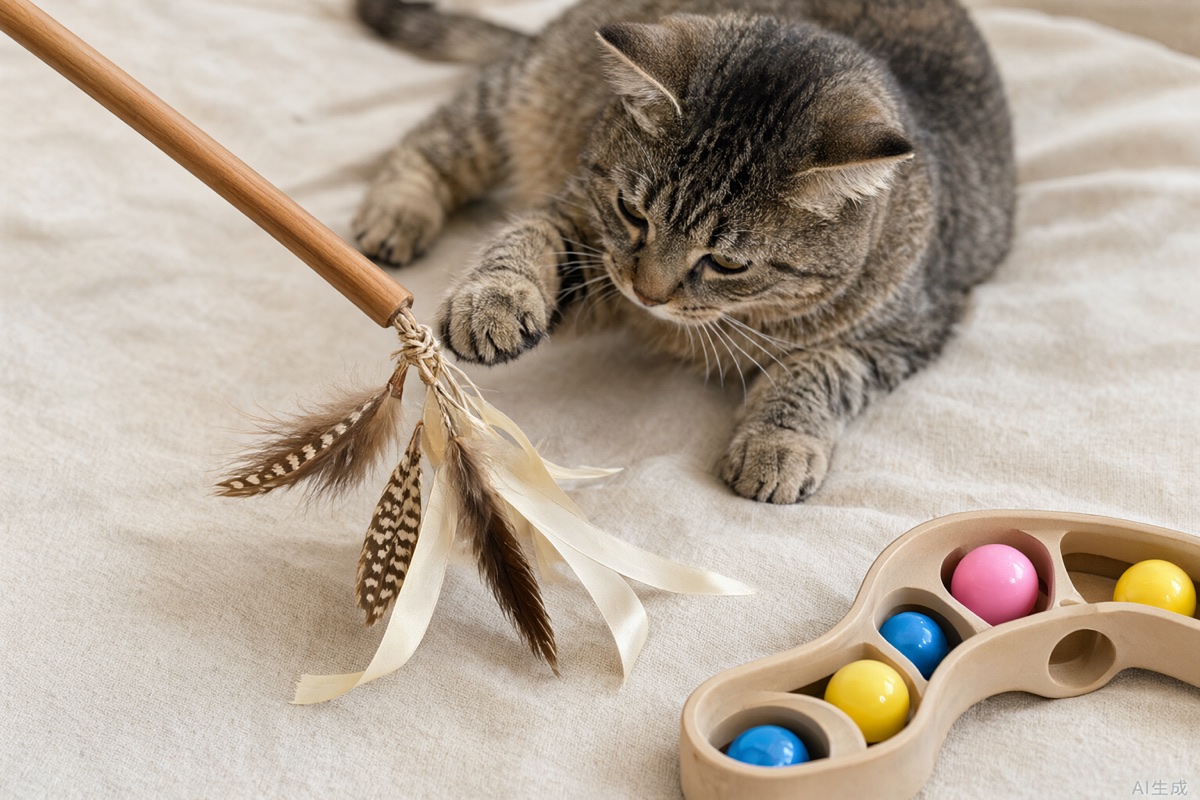
Behavioral research broadly credits cats with strong spatial memory for food spots, routes, and safe hideouts, with working memory lasting minutes in specific tasks.
Survival-relevant experiences can form long-term memories, including durable avoidance after bad ones, which partly explains clinic resistance after rough handling.
Cats recognize their owner's voice and their own names, yet studies suggest they respond selectively; remembering you and answering you are different things.
Use these traits positively with stable layouts, routines, and consistent cues; memory decline in seniors belongs in cognitive dysfunction assessments.