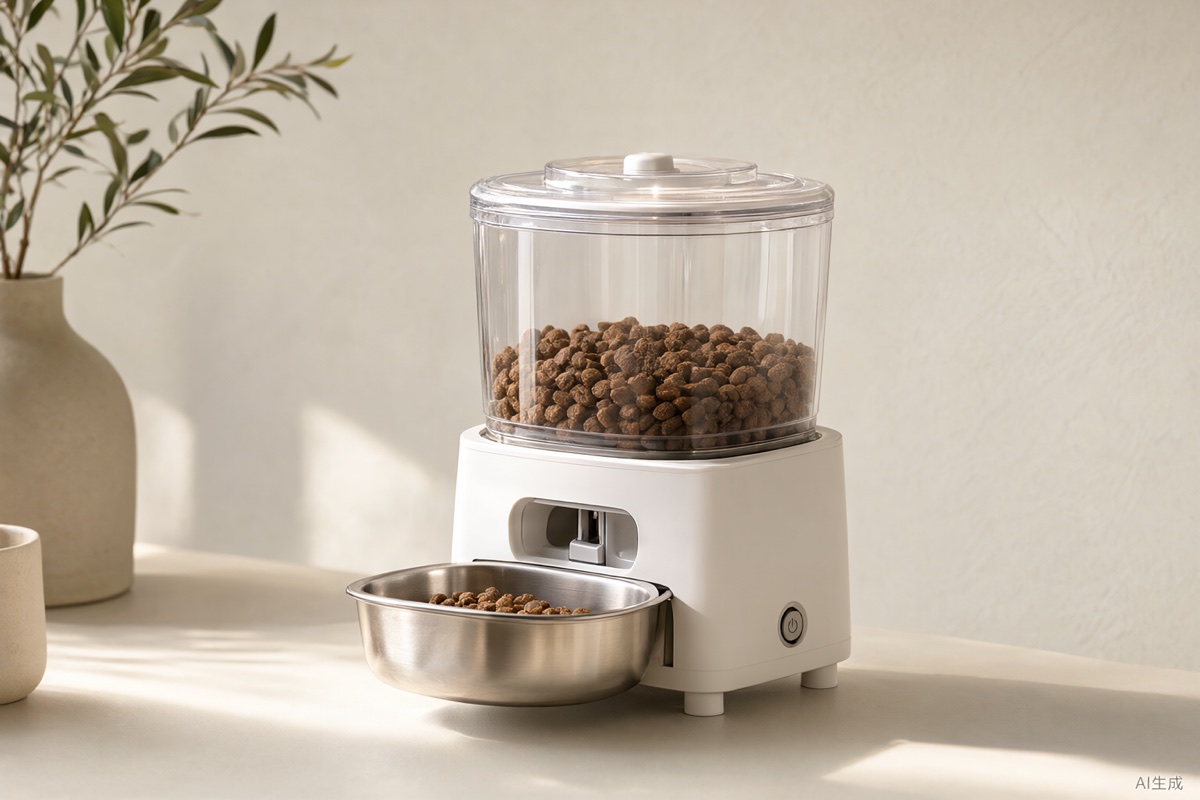
The UAH feeder sells on a wide hopper opening and a fully removable, washable structure, with fairly traditional control logic. The Mijia pet feeder joins the Mijia ecosystem, linking with cameras and scenes, and unified app management is the main difference.
UAH suits owners who dislike ecosystem lock-in and value easy disassembly. Mijia suits those already running Mijia devices who want one entry point; scenes can drive simple schedules and reminders, at the cost of dependence on account and network.
Both are dry-food machines, and wet or fresh food should not sit in them for long. Watch the match between outlet size and kibble, and plan for power cuts. Firmware timing for ecosystem products is set by the platform, not the owner.
Check whether the home already uses one ecosystem, then compare cleaning effort and hopper capacity. Multi-cat homes should confirm the per-cycle maximum is enough to split. For prescription food or weight control, have a veterinarian confirm the plan before programming.
 公开资料整理