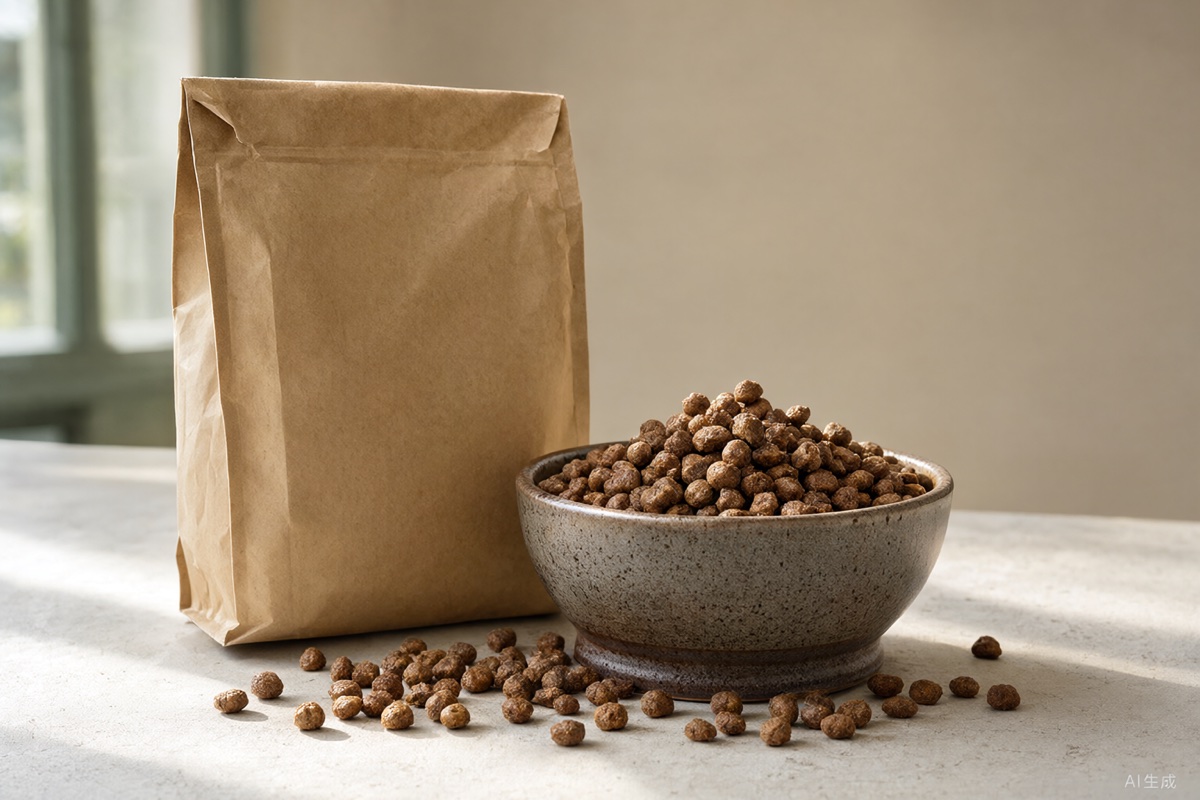
Ceramic and stainless steel are the two common materials for cat bowls. Ceramic is thick and heavy, so it resists sliding, with a glazed surface; stainless steel is light, shatter-resistant and conducts heat quickly. Neither holds odour, and cleaning effort is similar.
Ceramic suits cats that push bowls around, where weight adds stability, and it sits well in a living room. Stainless steel suits multi-cat homes and frequent washing or sterilising, tolerates knocks, and travels better for temporary setups.
Risks differ. Ceramic can chip, and glazes of unknown quality raise heavy-metal concerns, so buy from traceable sellers. For steel, check that it is food grade; poor coatings or rough welds can trap residue and are harder to sanitise over time.
Choose by setting and cleaning habit: ceramic for stability in a fixed spot, steel for durability and frequent washing. With either, a bowl that is too deep or narrow can hinder eating, and whisker-sensitive cats do better with shallow, wide dishes.
 公开资料整理