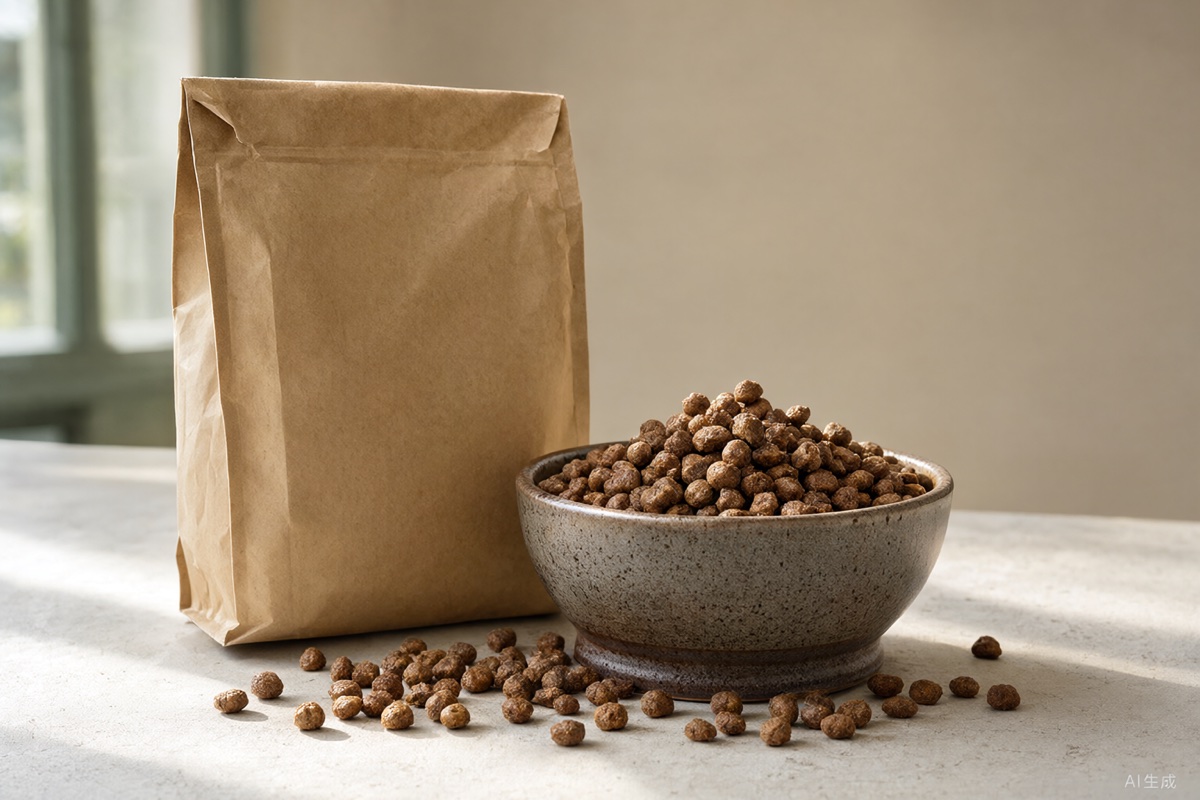
An automatic feeder is positioned around scheduled, portioned meals: several small servings, night feeds and weekends away all run on plan. Hand feeding depends on the owner's routine, but it lets you watch appetite and behaviour at every meal.
From a use-case view, auto feeders suit irregular schedules, late shifts and short trips, provided you plan for power cuts, jams and cleaning. Hand feeding suits homes where someone is present and intake needs frequent adjustment.
Dry kibble left in a hopper for long periods can oxidise and absorb moisture, and wet or fresh food is generally unsuitable for standard feeders. The two approaches can be combined: the machine handles routine portions, the owner handles extras and interaction.
Any feeding plan tied to weight management or a medical condition should start with a target set by a veterinarian, then choose the delivery method.
 公开资料整理