Content hub · news
News
- Articles
- 116
- Latest
- 2026-11-09
Column
- How Much Sleep Is Normal: Many Naps Don't Mean Illness Twelve to sixteen hours a day is normal for adults; structure and waking state matter more.
- Laser Pointer Safety: Frustration and Eye Risks The dot can never be caught, so end sessions on a real toy and never aim at eyes.
- The Slow Blink: Reading and Returning a Cat's Kiss When a cat slowly narrows and opens its eyes at you, it signals relaxed trust, and you can blink back.
- Soft Stool During a Food Switch: Normal Adaptation vs Warning Signs Softer stool after a diet change is common; the skill is telling adaptation from diarrhea that needs a vet.
- How Dangerous String Is: Never Pull a Swallowed Thread String pleats the intestine like a drawstring, and a visible end must never be tugged.
- Catnip vs Silvervine: Different Responses and Usage Notes A share of cats feel nothing from catnip, while silvervine excites many of the non-responders.
- Recognizing Constipation: Straining Isn't Always a Blocked Bladder Frequent box visits with little output need sorting into constipation versus urinary difficulty, which differ in urgency.
- The Treat Limit: Ten Percent of Calories Is a Practical Line Treats are fine below roughly ten percent of daily calories; beyond that they dilute balanced nutrition.
- The Cat-Walking Debate: Not Every Cat Needs Outings Walks enrich some cats, but stress risk means walking should never be the default.
- Pheromone Diffusers: Evidence Boundaries and Realistic Expectations Synthetic facial pheromone helps some stress scenarios but is no universal sedative.
- Early Signs of Feline Dental Disease: Bad Breath Isn't Normal Periodontal problems are widespread in adult cats, and odor, drooling, and one-sided chewing are the first hints.
- Can Cats Eat Dog Food: A Stolen Bite vs a Staple Diet One stolen kibble is no crisis, but dog food as a cat's staple diet creates serious problems.
- Microchip Registration: Implanting Is Step One, Registering Is the Key Chips have no GPS; the contact details in the registry decide whether a lost cat comes home.
- Carrier Training: Turning the Box Into a Safe Room A box that appears only for vet trips is doomed; keep it open as a daily bed instead.
- Cat Vomiting: Home Triage and When to See a Vet Identify whether it's hair, food, or fluid first, then decide between watching and a vet visit.
- Goat Milk vs Cow Milk: Why Milk Upsets Many Cats Most adult cats are lactose intolerant, milk is not a dietary necessity, and the wrong kind causes trouble.
- Earthquake and Fire Prep: What Your Cat Needs in the Go-Bag Leaving the cat out of disaster planning guarantees chaos at evacuation; pack early.
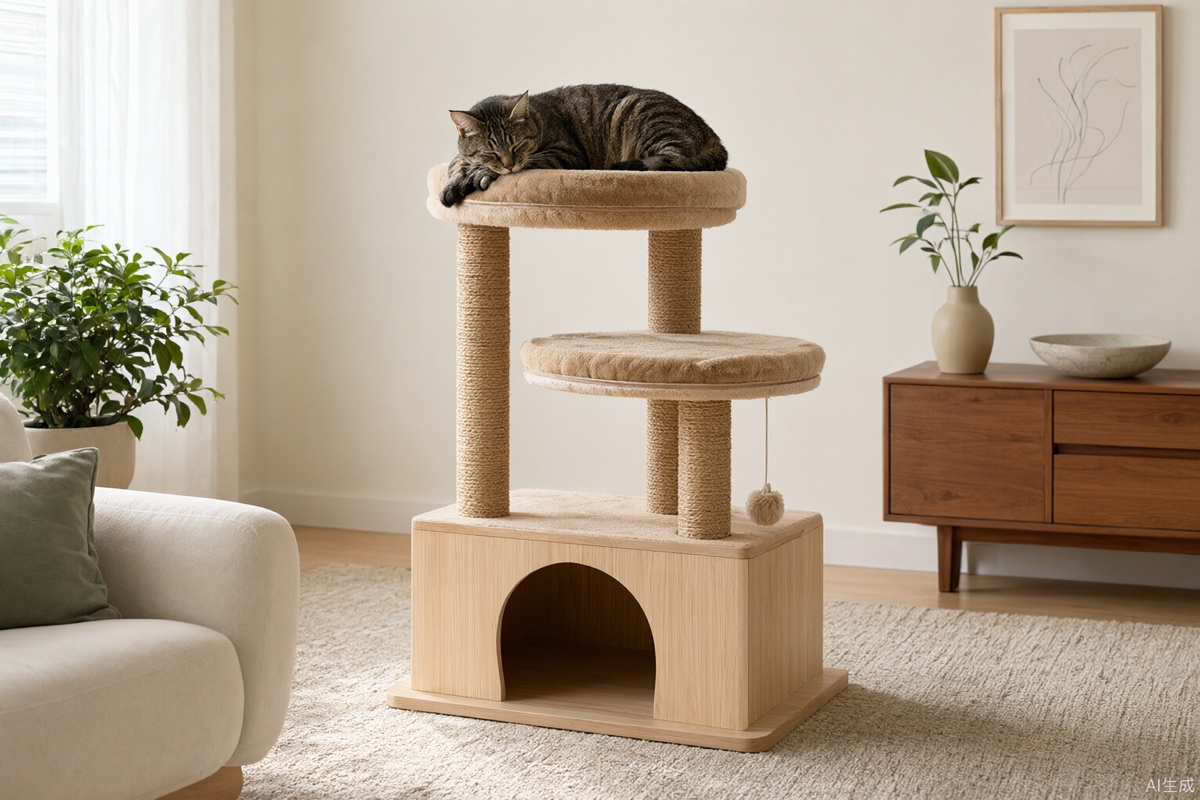
- Cat Tree Stability: Tip-Over Risks and a Buying Checklist A tall tree is a lookout and a potential tipping hazard; check the base and anchoring.
- Watching Vaccine Reactions: What's Normal and What Sends You Back A mildly quiet day after vaccination is common; facial swelling or breathing trouble means back to the clinic now.
- Nutrient Gaps in Homemade Cat Meals: Chicken and Rice Is Not Enough Homemade diets usually fail not on palatability but on long-term calcium and micronutrient shortfalls.
- Cat Fur and Asthma: Separating Triggers from Myths Whether an asthmatic can keep a cat depends on sensitization testing; fur is mostly a carrier.
- Where to Put Scratchers: Location Beats Style Scratching is marking, so placement on routes and wake-up spots matters more than the model.
- Preventing Pill-Induced Esophagitis: The Dry-Swallow Risk A cat's esophagus clears slowly, and a lodged tablet can burn it and cause strictures.
- Raw Diet Risk Checklist: Read This Before You Decide Raw feeding has advocates and real controversies; pathogens, nutrient gaps, and bone hazards deserve a hard look.