Winter Warmth: Bedding Layout and Heater Safety
Age-appropriate warmth plans with burn prevention and heating-season dryness management.
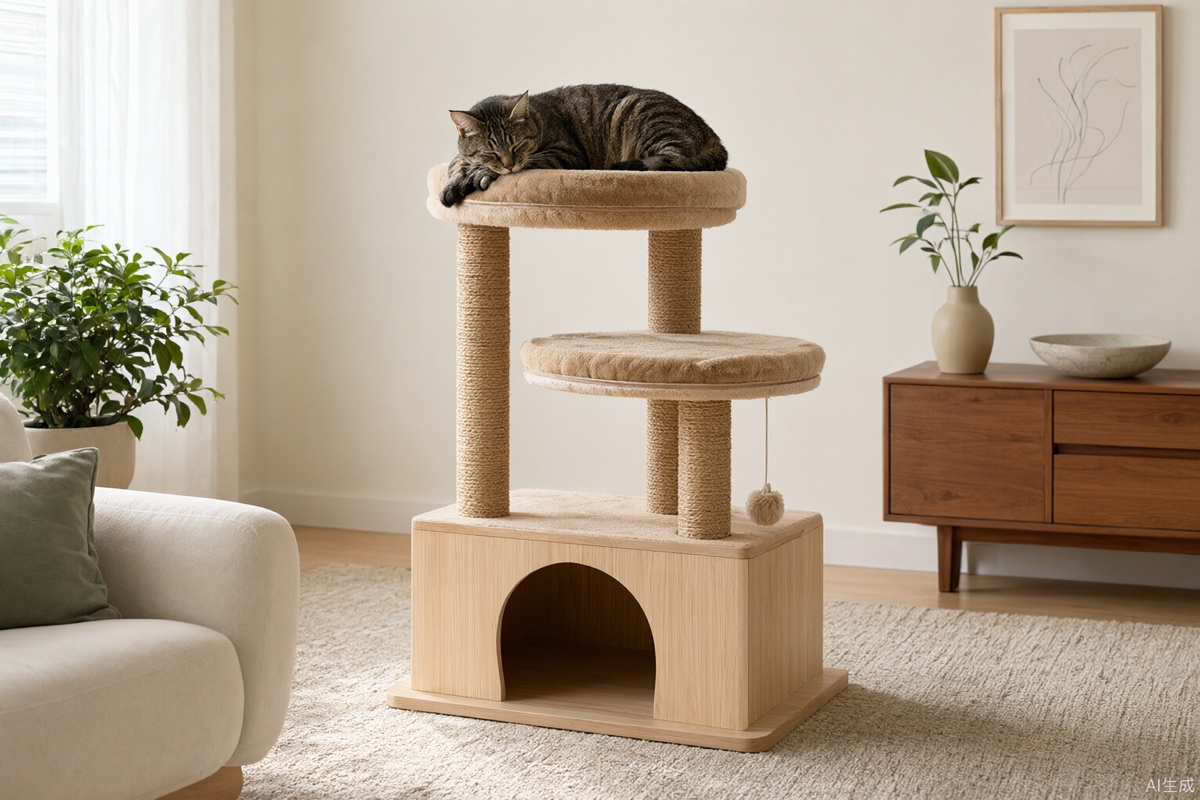
Step-by-step checklist
- 01 Draft-free semi-enclosed beds
- 02 Offer a temperature gradient
- 03 Low pads with cool escape
- 04 Heaters tip-proof, burn-safe
- 05 Humidify to 40-50%
- 06 Warm water for winter intake
Overview
Read the full profile
Let cats choose their warmth: semi-enclosed beds with old blankets in draft-free corners, thickened window beds away from cold glass, and regular beds away from radiators to form a temperature gradient. Healthy indoor adults rarely need clothing; kittens, seniors, post-op and hairless cats can use low-setting pet heating pads with a barrier layer and a cool escape zone.
Device safety: keep radiant heaters a meter away and tip-proof, since prolonged close contact causes low-temperature burns; stow chewable cords and clean humidifiers per instructions with pure water. Heated homes often drop below 30% humidity, so 40-50% humidification reduces dandruff and airway irritation.
Watch and adjust: arthritic seniors stiffen in winter and benefit from non-slip mats and low steps by the bed; winter drinking drops, so use warm water and watered wet food. Persistent curling with shivering or ice-cold ear tips signals a too-cold setup needing an environment check.
Related products
The cat-ear-shaped PIXI smart fountain with UV-C treatment and app monitoring, compact for single-cat homes.
Nourse Probiotics for CatsA multi-strain probiotic with prebiotics in easy-mix sachets, used for diet-transition loose stools and routine gut flora support.
pidan Donut Cat BedA round, wraparound bed that gives security and support to cats that like to curl up.
Owner questions
Can a cat burn itself on a heater?
Yes. Guard heaters and wrap hot-water bottles; seniors and arthritic cats sense heat poorly and need a safe distance.