Scratcher Materials Compared: Cardboard, Sisal, and Carpet
Compare feel, durability, and mess across the three main scratcher materials, plus placement and orientation tips.
Step-by-step checklist
- 01 Match material to the cat's habit
- 02 Post height covers a full stretch
- 03 Ensure a stable base
- 04 Place on wake-up routes and by sofas
- 05 Film old scratch targets
- 06 Scratch marks mean success
Overview
Read the full profile
Corrugated cardboard has the broadest acceptance and low price but sheds crumbs and wears fast, suiting flat horizontal placement in multiple spots. Sisal rope or fabric is the most durable and ideal for vertical posts; check tight wrapping with no exposed glue. Carpet-faced scratchers are middling in durability and may blur the line between scratcher and actual carpet.
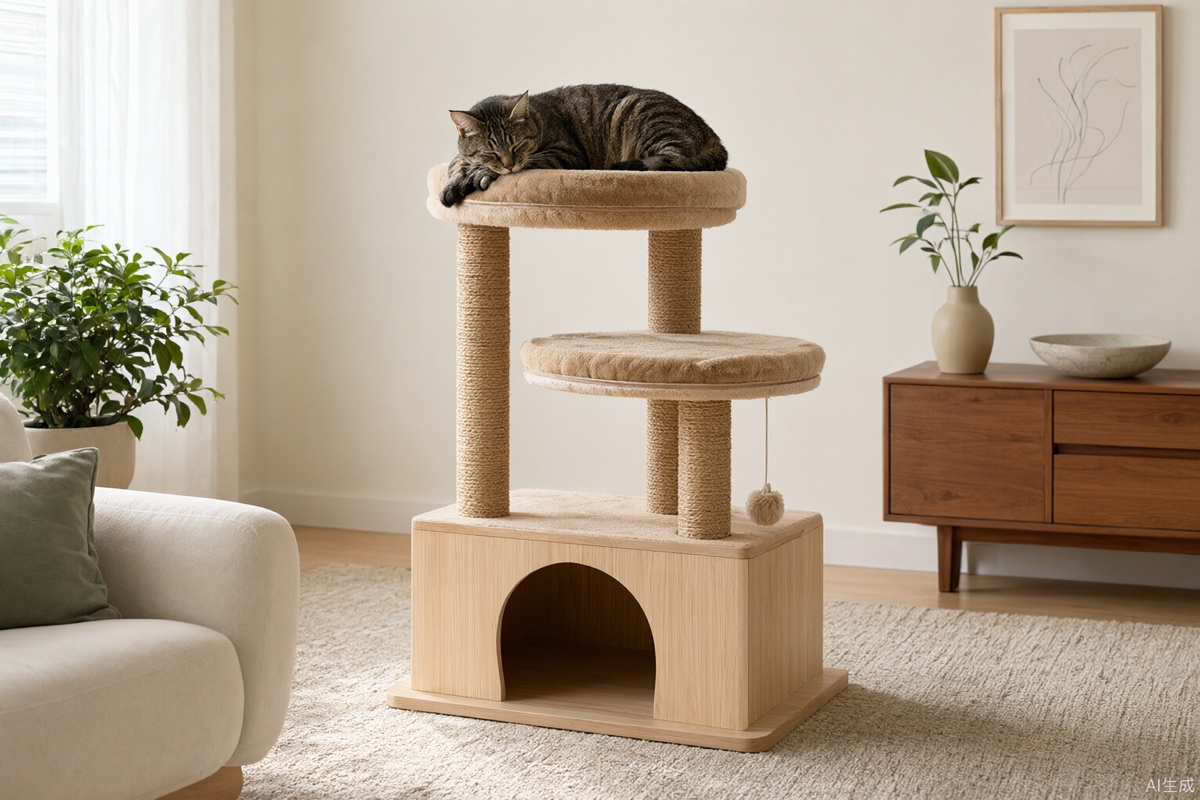
Orientation and stability matter as much as material: vertical posts should be at least as tall as the cat's full stretch so it can extend its back, and a wobbling base sends the cat back to the sofa. Match existing habits: sofa-side scratchers get a vertical post, carpet scratchers get a horizontal board.
Place scratchers on wake-up routes, beside sofas, and near doorways, and apply anti-scratch film to targeted furniture to break the old habit. Visible scratch marks are a success signal that material and location are right; do not replace too early.
Related products
A plant-based tofu litter with fast clumping and low dust, light to carry and suitable for apartments and multi-cat homes.
Orijen Original CatOrijen's flagship grain-free cat kibble built around chicken, turkey and wild-caught fish, delivering a high-meat, biologically appropriate
PETKIT Ceramic Double BowlA ceramic double bowl for food and water, easy to clean and resistant to lingering odours.
Owner questions
How often should scratchers be replaced?
Replace cardboard when it is shredded through or shedding heavily, and sisal when ropes loosen; expect one to three months for cardboard and six-plus for sisal, depending on use.