Purring and Slow Blinks: Using Feline Social Signals
What purring really means, why slow blinks signal trust, and how to blink back to bond.
Step-by-step checklist
- 01 Read purrs with context
- 02 Vet-check hiding purr plus anorexia
- 03 Blink slowly back at your cat
- 04 Look away after blinking
- 05 Distance blinks for new cats
- 06 No forced stares at alert cats
Overview
Read the full profile
Purring is not always happiness: contentment is most common, but cats also purr in pain, stress, and labor, possibly as self-soothing. Read context: curled on your lap purring is enjoyment, while a hunched corner purr with food refusal may mean illness and warrants a vet if persistent.
The slow blink is the feline smile: a relaxed gaze with slowly closing and reopening eyes signals non-threat and trust. Blink back at your cat: close your eyes slowly for a second, reopen, and look away; with repetition many cats respond, making it a cheap trust-building tool.
Timing matters: for new cats, distance slow blinks work better than reaching hands; use them when the cat is relaxed, never forcing eye contact on an alert, puffed-up cat. Combine soft speech and non-invasive distance, reading blinks, purrs, and tail signals together to gauge the relationship.
Related products
A replaceable corrugated scratcher for horizontal scratching that redirects claws away from sofas.
KONG Catnip KickerA catnip-filled kicker for cats that grab, bite and bunny-kick, suitable for solo play.
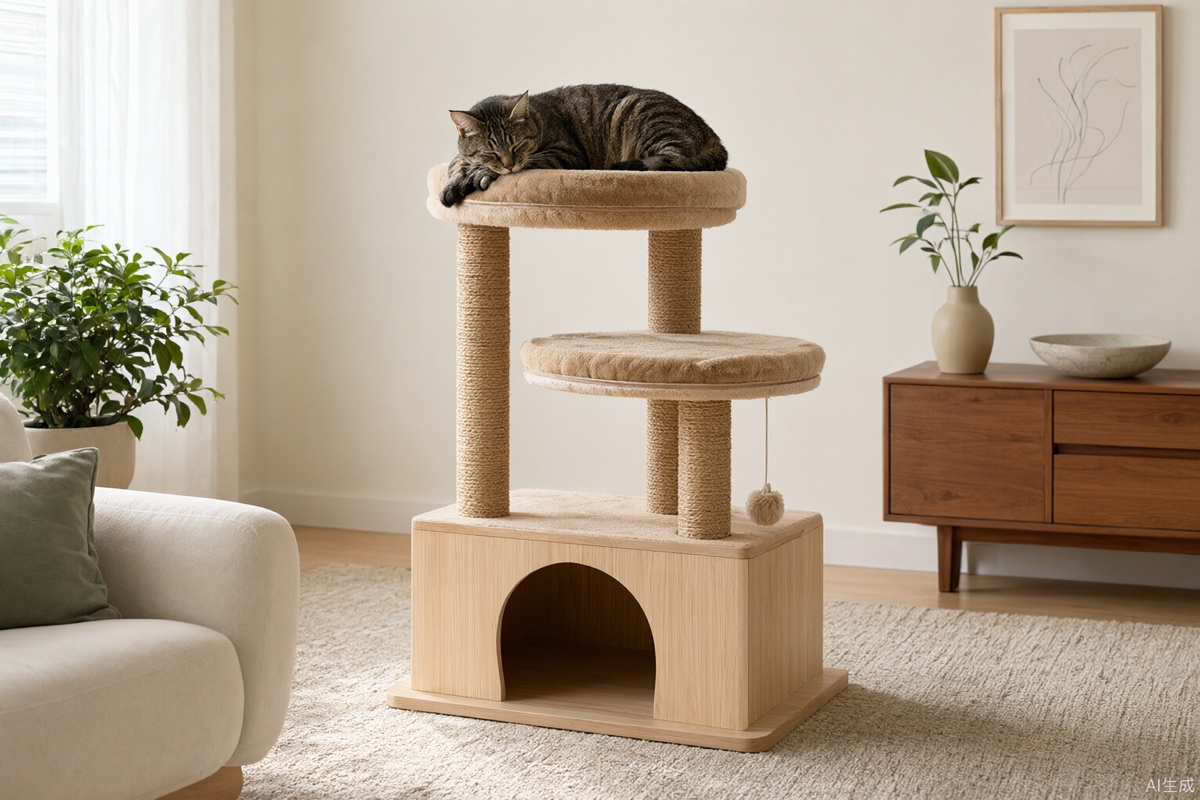
Jingzao Cat TreeA multi-level tree with perches, a cubby and sisal posts for homes that want vertical space on a budget.
Owner questions
Is purring always a sign of happiness?
No, cats also purr when in pain or anxious. Read the whole body and context; a slow blink is the clearer relaxation and trust signal.