Overgrooming Workup: From Itch to Psychogenic Bald Patches
Debug symmetrical hair loss medical-first so itch and pain are not mistaken for a bad habit.
Step-by-step checklist
- 01 Medical workup first
- 02 Log licking times and scenes
- 03 Manage stress after exclusion
- 04 Stable routine, more enrichment
- 05 Treat broken skin
- 06 Behavior referral for compulsion
Overview
Read the full profile
Overgrooming shows as symmetrical thinning or bald bellies and inner thighs with broken hair tips, and step one is always medical: flea allergy, food and environmental allergies, and pain (cystitis drives belly licking, arthritis drives joint licking) all fuel it. Vets localize causes via skin exams and trials; do not default to psychological explanations.
Only after medical exclusion consider psychogenic causes: moves, new members, and routine upheaval trigger comfort licking. Manage with stable routines, more foraging and play, hiding and high spots, and removal of the identified stressor; an e-collar only prevents damage temporarily without addressing motivation.
Log grooming times and contexts to locate triggers, and treat broken skin promptly against infection. Persistent compulsive grooming warrants a behavior referral and sometimes medication under veterinary direction; shaving does not remove the motivation and is only for matting or topical treatment by professionals.
Related products
A replaceable corrugated scratcher for horizontal scratching that redirects claws away from sofas.
KONG Catnip KickerA catnip-filled kicker for cats that grab, bite and bunny-kick, suitable for solo play.
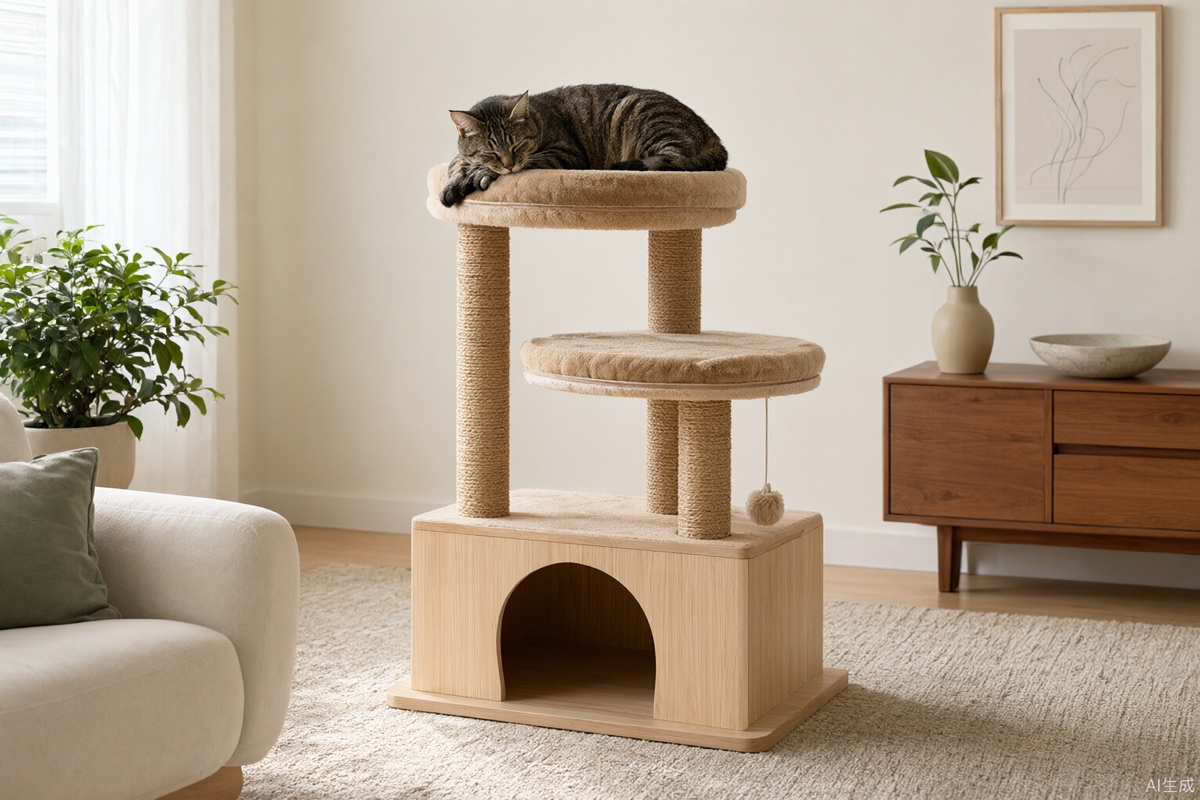
Jingzao Cat TreeA multi-level tree with perches, a cubby and sisal posts for homes that want vertical space on a budget.
Owner questions
For overgrooming, do I check skin or behavior first?
Rule out skin and pain first with a dermatologic exam, flea control, and a health check. If skin is normal, assess stressors and compulsive behavior.